The Role of Interlinings in Sustainable Fashion (Hidden Structure, Real Impact)
The Hidden Structure That Shapes Sustainable Fashion
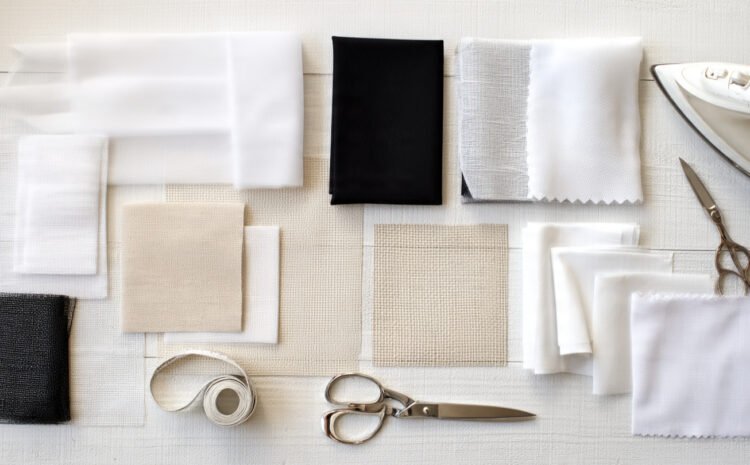
Ever notice how a collar stays crisp or a placket doesn’t ripple? The secret is not just the outer fabric, it’s in the interlining. At Sadiq Interlinings, we specialize in these quiet yet essential layers that shape the fit, comfort, and longevity of every garment.
An interlining is a secondary fabric placed between the shell and lining to add support and stability. The right choice improves drape, feel, and durability, which is why brands worldwide rely on Sadiq Interlinings to achieve both premium quality and sustainability goals.
In sustainable fashion, interlining choices can reduce waste, prevent returns, and make repairs easier. By selecting the right type, using safer chemistry, and testing for wash and wear, brands and sewists can achieve eco-friendly results without guesswork.
What Interlinings Are and How They Shape Sustainable Fashion
Interlinings do quiet work inside every garment. They give structure to soft fabrics, control drape, and support seams. Collars stand firm, cuffs hold their shape, and waistbands stay smooth because of them. They even add comfort by spreading pressure and reducing scratchy stitch ridges.
At Sadiq Interlinings, we understand how the right support fabric directly connects to sustainability. A well-supported garment lasts longer and looks better after wash and wear. Fewer defects mean fewer returns and less dead stock. Crisp hems and stable plackets help maintain shape, encouraging customers to keep and re-wear their clothes.
The best interlinings match the shell in weight, behaviour, and care method. For instance, a light blouse needs a soft, breathable support that moves naturally, while a wool coat requires body and resilience to recover from rain and wear. When that match is right, garments last longer and perform better.
Why Interlining Quality Matters
Durability, drape, and comfort all begin inside the garment. A well-chosen interlining reduces seam stress and prevents sagging or bubbling. Lightweight fabrics, for example, need breathable interlinings to stay clean and move gracefully.
In addition, soft and flexible interlinings improve comfort by reducing friction at collars and waistbands. At Sadiq Interlinings, our non-woven and knitted options provide exactly that comfort, breathability, and flexibility without sacrificing structure.
Types of Interlinings We Offer
Woven Fusible Interlinings:
- Our Woven Fusible Interlinings combine structure, softness, and durability for premium garments. Made from tightly woven cotton or polyester base fabrics, they offer precise shaping and excellent adhesion for collars, cuffs, waistbands, and jacket fronts. Designed for consistent fusing and smooth finishes, these interlinings deliver superior drape and wrinkle resistance even after multiple washes.
Ideal for: Shirts, suits, uniforms, and formal wear.
Explore our collection: Woven Fusible Interlinings Catalog
Non-Woven Interlinings:
- Our Non-Woven Interlinings provide dependable support and easy handling across a wide range of garments. Lightweight yet stable, they are engineered for versatility and cost efficiency. Available in chemical, thermal, and resin-bonded varieties, these interlinings maintain shape, prevent puckering, and fuse smoothly with minimal shrinkage.
Ideal for: Shirts, bags, home textiles, and general apparel.
View range: Non-Woven Chemical Bonded Interlinings Catalog
Spun Bond Non Woven Fabrics:
- Our Spun Bond Non Woven Fabrics are designed for strength, breathability, and uniform texture. Produced with precision thermal bonding, they offer consistent quality for interlining, packaging, and hygiene applications. These fabrics are lightweight yet tear-resistant, providing smooth performance in both garment manufacturing and industrial use.
Ideal for: Protective clothing, shopping bags, and garment interlining bases.
Learn more: Spun Bond Non Woven Fabrics
Embroidery Backings:
- Our Embroidery Backings ensure clean, stable embroidery results without distortion or puckering. Available in tear-away, cut-away, and non-woven options, these backings support intricate stitchwork and fine designs on all fabric types. They enhance embroidery quality, reduce thread breakage, and maintain consistent hoop tension for smooth production.
Ideal for: Apparel embroidery, logos, and decorative stitching.
Check full range: Embroidery Backings
Collar and Cuff Cutting Rolls:
- Sadiq Interlinings’ Collar and Cuff Cutting Rolls are precision-engineered to maintain perfect shape and crispness. Made with high-grade fusible coating and uniform thickness, these rolls deliver excellent bonding and long-lasting durability. They ensure consistent cut sizes, quick application, and professional finishing across shirt and uniform production.
Ideal for: Shirt manufacturing, school uniforms, and formal wear.
Explore options: Collar & Cuff Cutting Rolls
Thermal Bonded Double Dot Non Woven Interlinings:
- Our Thermal Bonded Double Dot Interlinings feature a high-performance adhesive coating for superior grip and smooth fusing. The double-dot pattern ensures even distribution, enhancing bond strength while preserving softness and flexibility. Designed for wash durability, shape retention, and eco-friendly production, they’re a preferred choice for modern garment construction.
Ideal for: Shirts, blouses, outerwear, and fashion apparel.
Discover more: Thermal Bonded Double Dot Non Woven Interlinings
A clear definition: where interlinings sit and what they do
Interlinings sit between the shell fabric and the lining, or behind the shell alone. You will find them in collars, cuffs, waistbands, plackets, jacket fronts, bags, and hats.
They add body, hold edges, and improve stitch quality. They spread tension at stress points, so seams do not pop. The right interlining resists bubbling and warping after wash or dry cleaning. That keeps the garment smooth and sharp.
Durability, drape, and comfort: why the hidden layer matters
The right interlining lowers seam stress and keeps hems crisp. Light fabrics sag without support, then pucker and fray. A good match helps them hang clean and move well.
Comfort matters too. Breathable interlinings reduce clammy hot spots. Soft hand reduces rub at collars and waistbands. Better drape and feel translate to fewer returns and longer garment life. That is a win for people and the planet.
Types of interlinings: woven, nonwoven, knit, fusible, sew-in
- Woven: Best for structure and precision. Ideal for collars, waistbands, tailored fronts.
- Nonwoven: Cost friendly and stable. Works for general support and bags.
- Knit: Stretch friendly. Use with jerseys and athleisure.
- Fusible: Heat-activated glue spots bond to the shell. Fast and consistent in production.
- Sew-in: No heat. Good for heat-sensitive fabrics and couture or repair-friendly builds.
The unseen impact: adhesives, energy use, and microfibers
Fusible interlinings use heat, pressure, and time to bond. That takes energy, so lower fusing temperatures can reduce impact when bond strength still meets spec.
Many nonwovens use synthetic fibers. These can shed microfibers in production or wear. Resin chemistry and finishes also matter, since they affect health, wastewater, and air. Choose safer systems and set controls with suppliers. The next section covers stronger options you can use now.
Better Interlinings: Materials and Methods for Lower Impact
Lower impact starts with fiber choices, then moves to safer fusible systems and smarter design. You do not need perfection to move forward. Pick options that fit your product, budget, and target care, then test.
Natural and recycled options that perform well
- Organic cotton and hemp: Breathable, sturdy, easy to sew. Good for shirts, dresses, and bags.
- Wool: Resilient loft and recovery. Great for jackets and coats.
- Lyocell or viscose from certified sources: Smooth hand and drape. Works in blouses and soft suiting.
- Recycled polyester nonwovens: Stable, common, and cost effective. Useful for plackets and waistbands.
Blends can improve performance, but they may limit recycling later. When you can, match fiber to the shell. Cotton shell with cotton interlining, or polyester with recycled polyester, helps at end of life.
Fusible choices with safer chemistry
Look for water-based or low-formaldehyde resins, and bio-based hot-melt content where available. Test for bond strength, wash cycles, and any dry cleaning you expect. Lower fusing temperatures save energy, but bonds must still pass.
Ask suppliers for chemical compliance data. Request OEKO-TEX or bluesign inputs, and PFAS-free claims in writing. Keep records for audits and product safety files.
Design for long life: choose interlinings that handle wear and wash
Pre-shrink natural interlinings before cutting. Match stretch by using knit interlinings under knits. Choose sew-in for heat-sensitive shells like acetate or some faux leathers. Pick heavier weights where friction is high, like shirt collars and bag straps.
Stress lab checks that matter: pilling, delamination, shrinkage, and color bleed. Add durability testing that mirrors real care. Five wash cycles at the chosen temperature can reveal early failure points.
Look for trusted labels: GOTS, GRS, OEKO-TEX
- GOTS: Organic fiber content and process checks for cotton or wool, from field to finished good.
- GRS: Recycled content, chain of custody, and social and chemical criteria.
- OEKO-TEX: Tested for harmful substances in materials and finishes.
Also consider bluesign and ZDHC for chemical management. Watch for greenwashing. Verify scope and product numbers, and match them to the exact interlining you plan to buy.
How to Choose Eco Friendly Interlinings Today
Turn knowledge into action. Treat interlining choice like a small bill of materials project, with tests and records. That habit reduces returns, supports circularity, and improves cost control.
Smart buying checklist for brands and sewists
- Fiber content, and percent recycled if used
- Fabric weight and stretch match to the shell
- Fusing temperature, time, and pressure range
- Wash, press, and dry clean test results
- Certification IDs and scope numbers
- Minimum order size and lead time
- Price per yard or meter
- Order swatch cards, then run small trials before bulk
Cost and quality: save money by reducing returns and repairs
Look at total cost of ownership, not just the price per yard. A cheap interlining might save 20 cents per shirt, then fail after two washes. Bubbling and puckering trigger returns and rework.
Simple example: a $0.40 interlining causes a 3 percent return rate on a $60 shirt. That is $1.80 at risk per unit. A $0.65 mid-priced option cuts returns to 0.5 percent. You pay 25 cents more, but avoid $1.50 in average losses. Quality pays its own way.
Plan for circularity: mono-materials and easy removal
Match shell and interlining when you can. Cotton with cotton, polyester with recycled polyester, wool with wool. That keeps recycling paths open.
For repair and reuse, consider sew-in interlinings, or low-temp fusibles that can release with steam in a repair shop. Add care labels that note interlining type. Future sorters will thank you, and parts are easier to replace.
Care and repair tips that keep interlinings working
Wash cool and line dry when possible. Press with a press cloth to avoid shine and resin print-through. Avoid harsh bleach.
For repairs, restitch loose areas and edge fray. Re-fuse with the right heat, time, and pressure. If the area is damaged, swap in a sew-in patch behind the shell. Keep a small mend kit handy, and use brand repair programs when offered.
Conclusion
Interlinings shape fit, feel, and lifespan. By choosing Sadiq Interlinings, you choose quality, consistency, and sustainability a quiet yet powerful step toward reducing waste and extending garment life.The right choice boosts durability, reduces waste, and keeps clothes in use. Start simple. Pick better fibers, verify chemistry, test for wash and wear, and design for repair and recycling.
Brands and sewists can act today. Order swatches, run quick trials, and record results. Small changes inside a garment drive big gains outside it. Choose the right interlining, and you support people, product, and planet with one quiet layer.